Building Inspection Cost NZ (2026): What You'll Pay
Building inspection cost in NZ usually runs from about $400 to over $1,000. See what changes the price, what a report covers and how to pick a good inspector.
By the GetListed team · Updated · 8 min read
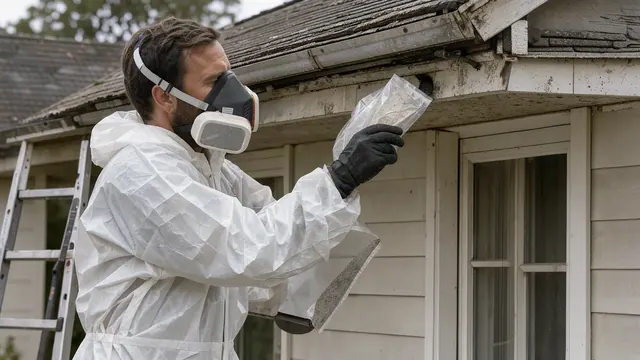
A pre-purchase building inspection in New Zealand typically costs somewhere between $400 and $1,000, with larger or higher-risk homes going past $1,000. Published guides put a simple one- or two-bedroom home at roughly $370 to $550, and Auckland standard inspections at about $500 to $900. Every quote varies by inspector and property, so treat the ranges below as a guide and get a written quote.
A building inspection (often called a builder's report) is a visual check of the house, usually done to the NZS 4306:2005 standard, that flags defects and maintenance before you commit to buying. It is a small cost next to the purchase price, and it gives you leverage to negotiate or walk away.
This guide covers what you get for the money, what pushes the price up, what a report can't tell you, and how to choose an inspector. If you are ready to compare quotes, you can browse building inspectors on GetListed and contact them directly. GetListed doesn't charge lead fees.
How much does a building inspection cost in NZ?
No official price list exists, so the figures below come from named publishers and inspectors. They are guides only, and quotes vary.
| Source | What it says | Notes |
|---|---|---|
| OneRoof | From about $370 for a one-bedroom home, topping out at over $1,000 for larger properties | Consumer property news site |
| Canstar | From around $550 for a simple one- or two-bedroom home, with larger properties costing hundreds more | Home loan comparison site |
| Refresh Renovations | About $400 to $500 for a four-bedroom regional home, and $800 or more in urban areas | Renovation company; describes these as rough estimates |
| Superior Renovations (via ArchiPro) | $500 to $900 for a standard Auckland inspection, taking about 90 minutes | Reclad company; figures may lean high |
Put together, a realistic budget for an average family home is roughly $500 to $1,000, with regional areas sometimes lower and big or complex properties higher. Ask whether the quote includes GST, photos, moisture readings and a pest check.
The cheapest quote isn't always the best value. A thorough report that catches a serious defect is worth far more than one that skims the surface.
What changes the price of a builder's report
Inspectors set their fees on how much work the property involves. The Property Inspectors, an Auckland firm, lists size (the whole building, not just bedroom count), property type, design complexity and age as the main factors. These are the ones you will notice most.
House size, layout and access
More floor area means more time on site and a longer report. Two storeys, extra decks, a separate garage or sleepout, and tight roof or subfloor access all add time. Property type matters too, such as an apartment, a unit or a freestanding home.
Age and construction type
Older homes tend to take longer because there is more to assess, from wiring and plumbing to timber condition. Homes built before the 1992 Building Regulations weren't required to meet modern durability rules, so some wear is expected rather than a defect, according to law firm McVeagh Fleming.
Weathertightness risk and monolithic cladding
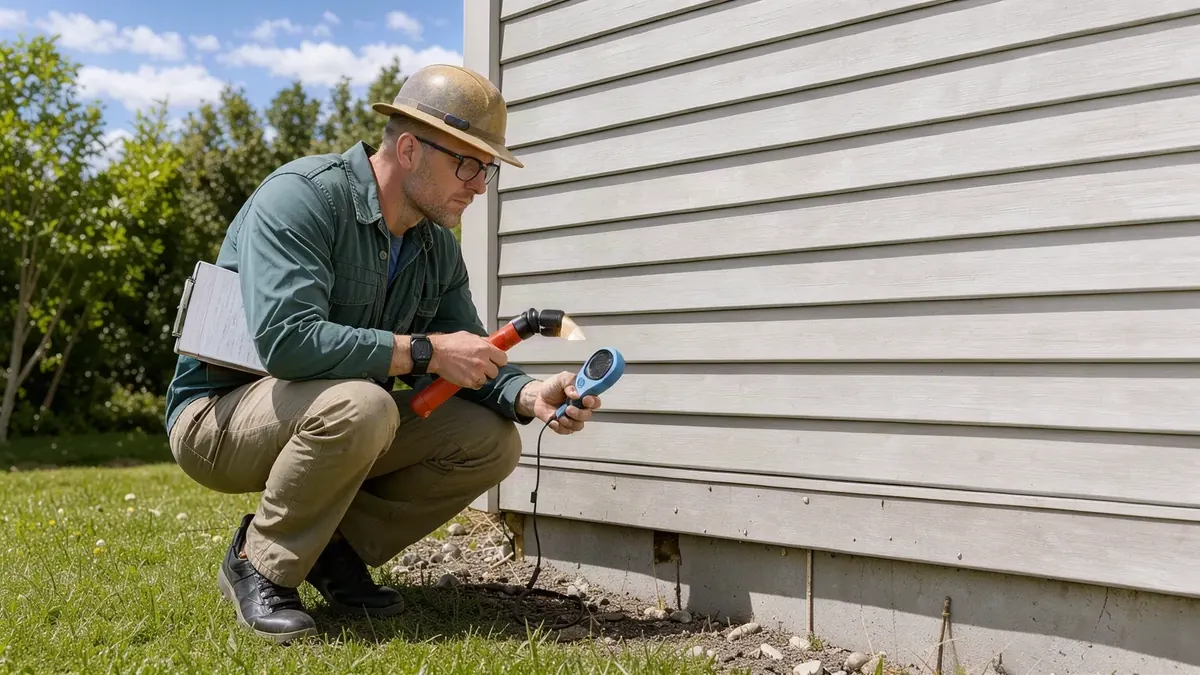
Plaster-clad (monolithic) homes from roughly 1994 to 2004 carry the highest leaky-building risk. Superior Renovations says some standard inspectors add $200 to $500 for extra moisture work on these homes. A dedicated weathertightness assessment, using moisture meters and sometimes thermal imaging, ranges from about $500 to $1,500 or more in Auckland, and invasive testing is quoted per job on top.
Note that this firm sells reclad work, so get a second opinion on quotes.
Add-ons: meth, asbestos, moisture and pests
Many inspectors offer extras, priced separately:
- Moisture testing: Non-invasive moisture detection is part of some standard inspections, and a separate service at others. Ask which.
- Pest and borer checks: Refresh Renovations says these are usually worth including and relatively inexpensive as part of an inspection.
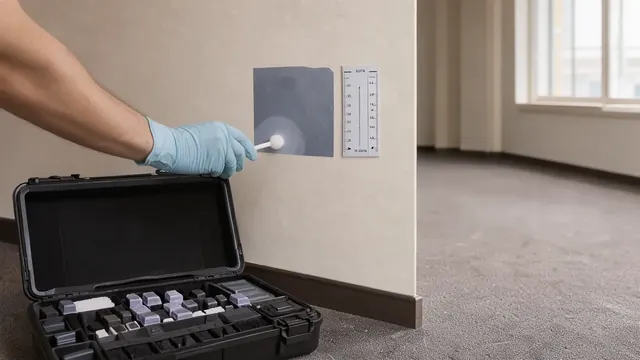
- Meth testing: A separate lab-tested service. Asset Property Inspections describes a baseline test using up to 10 swabs tested as a composite, covering a 3 to 4 bedroom home, to NZS 8510:2017. See meth testing providers for quotes.
- Asbestos: A builder's report may flag materials that look suspect, but confirming asbestos needs a lab sample. Compare asbestos testing providers if the home is older.
No reliable published NZ price was available for meth or asbestos testing, so ask for a firm quote before you book.
What a pre-purchase inspection covers under NZS 4306:2005
NZS 4306:2005 is the Residential Property Inspection standard. Standards New Zealand describes it as setting minimum requirements for visually inspecting residential buildings and preparing inspection reports.
In practice, a good inspector will look at:
- structure and foundations
- the roof exterior and roof space
- subfloor
- exterior cladding and joinery
- interior linings, floors and ceilings
- visible plumbing, drainage and electrical
- decks, retaining walls and drainage
- signs of moisture, rot or borer
- evidence of major or unconsented alterations
The report should list current defects and separate urgent repairs from normal age-related maintenance. If it doesn't, ask the inspector to explain the difference. Photos of problem areas should be included.
What a building report won't tell you
NZS 4306 is a visual, non-invasive inspection. Consumer Protection notes it can't identify problems hidden behind finished surfaces, such as plumbing, framing, insulation or wiring.
It also won't confirm whether renovations were consented. For that, check council records or get a LIM. Specialist reports are worth considering for suspected earthquake damage, natural hazards, leaky-home concerns or boundary questions.
A clean report is not a guarantee. It is a professional opinion on what could be seen on the day.
Building report vs LIM report
They do different jobs, and most buyers need both.
| Building report | LIM | |
|---|---|---|
| Who produces it | Independent inspector | Local council |
| What it shows | Physical condition and defects | Consents, rates, zoning, hazards, compliance |
| Typical cost | See table above | About $300 to $900 nationally (Canstar) |
| Can it confirm consents? | No | Yes, from council records |
Canstar gives standard LIM fees of $387 in Auckland, $320 in Christchurch, $345.45 in Dunedin and $575.50 in Wellington, with urgent options costing more. Your conveyancing lawyer can order the LIM and check it against what the inspector found.
Pre-purchase vs pre-sale reports, and conditional offers
A pre-sale report is commissioned by the seller. It can be useful for them, but the inspector's client is the vendor, not you. Consumer Protection advises against relying on one, because you are unlikely to have recourse if it misses something.
Commissioning your own pre-purchase report creates a direct contract with the inspector. McVeagh Fleming notes this may give you recourse if a report is negligently prepared.
For non-auction sales, make your offer conditional on a satisfactory building report. If the inspection finds problems, you can negotiate on price, ask the vendor to repair them or cancel. Canstar notes auctions are typically unconditional, so get the report before you bid. Your lawyer can add the condition and set the timeframe.
Timing matters: tell your lawyer you want enough working days for the inspector to visit and write the report. OneRoof says the visit itself usually takes a few hours and the written report can take about a week, while some inspectors turn reports around much faster, so agree a deadline up front.
How to choose an independent building inspector
Consumer NZ's survey found inspection quality highly variable, so it pays to check. Check these before you book:
- Standard. Confirm they will inspect and report to NZS 4306:2005.
- Qualifications and membership. Consumer Protection suggests a member of the Building Officials Institute of New Zealand (BOINZ) or the NZ Institute of Building Inspectors. Consumer NZ and Canstar also point to the NZ Institute of Building Surveyors (NZIBS).
- Insurance. Ask to see proof of professional indemnity insurance and check what it covers.
- Independence. Pick your own inspector rather than one suggested by the agent.
- Sample report. Ask for an example to check the photos, clarity and prioritising.
- Written quote. Confirm what is included, the report deadline and any add-ons.
Avoid relying on a mate who is "good with houses". The Consumer Guarantees Act also applies when you hire an inspector, so the work should be professional, match the report you asked for and be done in a reasonable timeframe.
You can find building inspectors in Auckland, building inspectors in Wellington, building inspectors in Christchurch and building inspectors in Hamilton on GetListed, then contact them directly.
Frequently asked questions
How much does a builder's report cost in NZ?
Most pre-purchase builder's reports cost between about $400 and $1,000, according to published guides from OneRoof, Canstar and renovation firms. Larger, older or plaster-clad homes often cost more, and some quotes exclude GST. Get two or three written quotes.
How long does a building inspection take?
The on-site visit usually takes from about 90 minutes for a standard Auckland home (Superior Renovations) to a few hours (OneRoof). Reports can arrive within a few days to about a week, so agree a deadline and make sure your offer condition allows enough time.
Is a building inspection worth the cost?
For most buyers, yes. A few hundred dollars is small against a purchase price, and the report gives you grounds to negotiate or withdraw if there are serious defects. It is especially valuable for older homes, plaster-clad homes and anything with obvious maintenance issues.
Can I rely on the seller's building report?
Not safely. The vendor is the inspector's client, so you are unlikely to have recourse if something is missed. Commission your own independent report, ideally from an inspector you chose.
Does a building inspection include meth or asbestos testing?
Usually not. Meth testing is normally a separate lab-based service, and asbestos is confirmed by lab sampling. An inspector may flag suspect materials, but ask for these as add-ons and get a quote.
What is the difference between a LIM and a building report?
A LIM is a council record of consents, rates, zoning and known hazards. A building report is an inspector's visual assessment of the property's condition. They complement each other, and your lawyer can compare the two.
Sources
- Canstar: Hidden costs of buying a home
- Canstar: Do you need a pre-purchase building inspection?
- OneRoof: Why first home buyers need building reports
- Refresh Renovations: How much does a pre-purchase building inspection cost?
- ArchiPro / Superior Renovations: Weathertightness inspections in Auckland and what they cost
- The Property Inspectors: Building inspection costs
- Consumer Protection NZ: Building reports red flags
- Consumer NZ: Pre-purchase building inspections
- Settled.govt.nz: Can I trust a seller's building report?
- McVeagh Fleming: Building reports in property transactions
- Standards New Zealand: NZS 4306:2005 Residential property inspection
- Asset Property Inspections: Methamphetamine testing