Healthy Homes Standards NZ: Landlord Checklist
The healthy homes standards cover heating, insulation, ventilation, moisture and draughts. Get the landlord checklist, penalties and how to find an assessor.
By the GetListed team · Updated · 8 min read
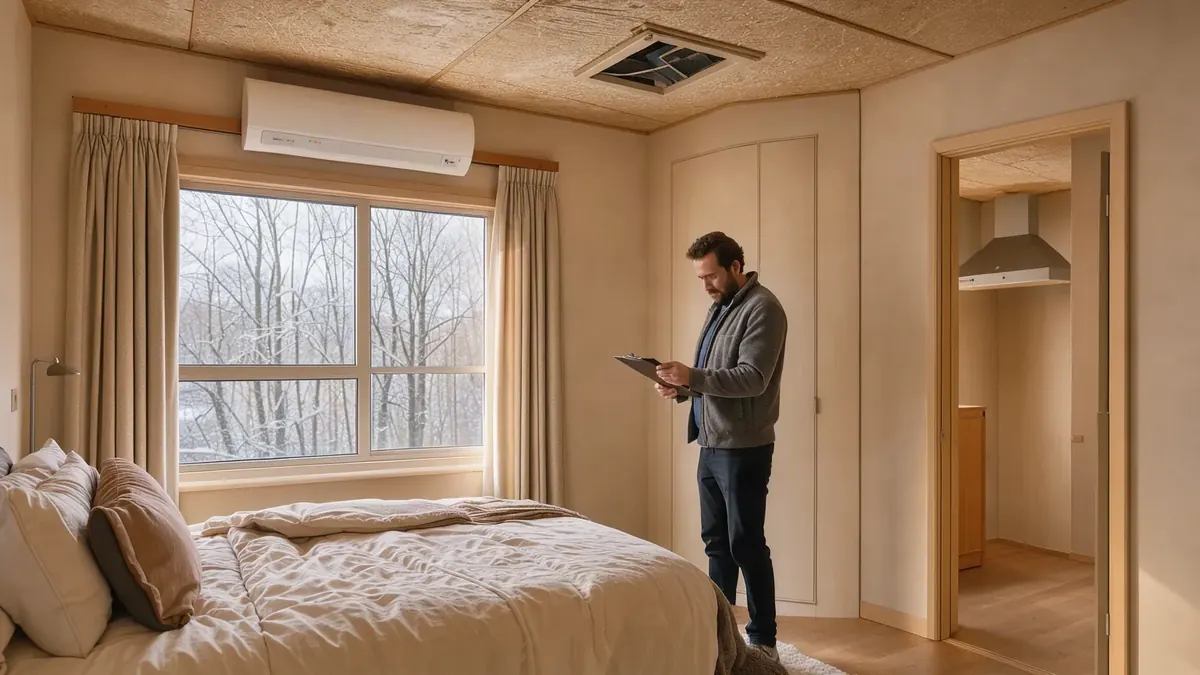
The healthy homes standards are minimum rules for heating, insulation, ventilation, moisture ingress and drainage, and draught stopping in every New Zealand rental. Since 1 July 2025, all rental properties must comply, so there are no staged deadlines left for private landlords.
If you rent out a home, you need to meet all five standards, record your compliance in each tenancy agreement and keep the evidence. Miss that and you risk financial penalties of up to $7,200. This guide walks through each standard, the paperwork, what an assessment involves and how to find someone to help.
You can find healthy homes providers near you on GetListed, which lets you contact local providers directly with no lead fees.
Healthy homes standards deadlines: where things stand in 2026
Tenancy Services states plainly that "all rental properties must comply with the healthy homes standards as of 1 July 2025". That date was the end of a staged rollout.
| Date | What had to happen |
|---|---|
| 1 July 2019 | Landlords signed a statement of intent to comply and kept compliance records |
| 1 December 2020 | Compliance statements required in tenancy agreements |
| 1 July 2021 | Boarding houses had to comply |
| 1 July 2024 | Kāinga Ora and registered community housing provider homes had to comply |
| 1 July 2025 | All remaining rentals had to comply (final deadline) |
Two small changes took effect on 25 September 2025. A partial exemption for ceiling insulation was reinstated for homes with limited ceiling space, and the healthy homes standards now take precedence over overlapping requirements in the Housing Improvement Regulations 1947. Tenancy Services says few properties are affected and compliant landlords need take no action.
The healthy homes checklist for landlords
Use this as a starting point, then check the detail on each standard below.
| Standard | What you need |
|---|---|
| Heating | One or more fixed heaters that directly heat the main living room, at least 1.5 kW and meeting the minimum capacity for that room |
| Insulation | Ceiling and underfloor insulation to the required R-values, in reasonable condition |
| Ventilation | Openable windows in habitable rooms, plus extractor fans venting outside in kitchens and bathrooms |
| Moisture and drainage | Efficient drainage with gutters, downpipes and an outfall, and a ground moisture barrier under an enclosed subfloor |
| Draught stopping | No unreasonable gaps or holes, and open fireplaces closed off |
Heating standard
Your main living room needs a fixed heater that can heat it directly. That is the largest room used for everyday living, such as the lounge or family room. The heater must be at least 1.5 kW and meet the capacity the room requires.
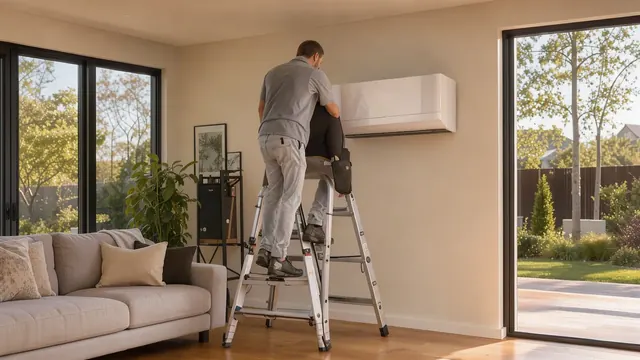
Acceptable options include heat pumps, woodburners, pellet burners and flued gas heaters. Open fires and unflued combustion heaters, such as portable LPG heaters, do not qualify. Heat pumps and electric heaters need a thermostat, and electric heaters other than heat pumps can't be used where the required capacity is over 2.4 kW, apart from limited top-ups. For most landlords a heat pump installer is the simplest route.
To work out the required capacity, you can use:
- the free Heating Assessment Tool on the Tenancy Services site
- the formula in Schedule 2 of the regulations, which suits complex layouts
- a qualified specialist, such as a chartered engineer or someone with a Level 7+ qualification and five years' heating design experience
A newer heating formula applies to modern dwellings, including homes built to the 2008 building code and some larger apartment buildings. All other properties use the original formula.
Insulation standard
For properties consented before 3 November 2022, the minimum ceiling insulation is R2.9 in climate zones 1 and 2 and R3.3 in zone 3. Underfloor insulation must be at least R1.3 in all zones. Insulation must be installed to NZS 4246:2016, and existing insulation must be free of mould, dampness, damage and gaps.
Older ceiling insulation installed before 1 July 2016 must be at least 120 mm thick. Thinner insulation can pass if you can show it met the minimum R-value when installed and has degraded by no more than 30 per cent in thickness.
Exemptions include spaces with a habitable area above or below, and cases where a professional installer says access isn't reasonably practicable. Foil insulation is banned.
Ventilation standard
Every habitable room needs at least one window, door or skylight that opens to the outside and can be fixed open. The openable area must be at least 5 per cent of that room's floor area.
Kitchens (with a cooktop) and bathrooms (with a shower or bath) need an extractor fan that vents outside, or a qualifying continuous mechanical ventilation system. For fans installed after 1 July 2019, the minimums are:
- Kitchen: 150 mm diameter including ducting, or at least 50 litres per second
- Bathroom: 120 mm diameter, or at least 25 litres per second
Older fans must vent outside and work properly. Recirculating units and fans that don't vent outdoors do not comply.
Moisture ingress and drainage standard
Your rental needs efficient drainage for storm water, surface water and ground water, with an appropriate outfall. Roof water must be carried away by gutters, downpipes and drains.
If the home has an enclosed subfloor, you need a ground moisture barrier where possible. This is either a polythene sheet installed to section 8 of NZS 4246:2016 or a barrier with a vapour flow resistance of at least 50 MNs/g installed by a professional. An exemption applies if installation would need substantial building work or create greater-than-normal safety risks.
Draught stopping standard
The property must be free of unreasonable gaps or holes in walls, ceilings, windows, skylights, floors and doors that cause noticeable draughts. There is no set maximum gap size for doors, so Tenancy Services points landlords to its technical guidance.
Open fireplaces must be closed off and the chimney blocked. A tenant can ask in writing to keep the fireplace usable, and if you agree it must be in good working order. Woodburners don't have to be removed, but they must be correctly installed and consented.
Compliance statements, records and penalties
Every new, renewed or varied tenancy agreement must include a signed compliance statement. It records, for example, the heater type and capacity, the R-value or thickness of each insulated ceiling and underfloor, how kitchens and bathrooms are ventilated, and any exemption you rely on. A template is available from Tenancy Services, and it is built into the standard tenancy agreement templates.
The landlord or an agent acting as landlord signs the statement, even if a professional did the assessment. If you use a property manager, confirm who is responsible for compliance and records. Keep your evidence, because tenants can request compliance information and you must supply it within 21 days.
Penalties:
- Not including a required compliance statement: up to $500 per tenancy, or other enforcement action
- Failing to meet the standards: financial penalties of up to $7,200
- Consumer NZ reports the figure can reach $50,000 for landlords with six or more tenancies
What a healthy homes assessment involves
An assessment is not legally required. You can check your own property with the Tenancy Services tools, but many landlords pay an assessor for a written report they can attach to their records.
A typical assessment checks all five standards: heater size and type against the room's required capacity, ceiling and underfloor insulation, window openings and fans, drainage and subfloor barrier, and gaps and fireplaces. You should get a report that lists what passes, what doesn't and what to fix.
The market is unregulated. Consumer NZ reports that assessors need no formal training or qualification, and that one property received three different outcomes from three assessments. OneRoof reported prices of $150 to $250 per assessment in April 2025, quoting a University of Otago researcher. Cost varies with the provider, the property size and whether a re-inspection or quote for fixes is included, so ask what the fee covers.
How to find a healthy homes assessor
Look for a provider who will show you how they reached each result, not just a pass or fail. Ask about their relevant experience, whether the report covers all five standards, how they handle exemptions and what happens if work is needed.
Local options matter because an assessor needs to get into the roof space and subfloor. Browse healthy homes assessors in Auckland, Wellington, Christchurch or Hamilton, or start from the main healthy homes directory and contact providers directly.
Frequently asked questions
What are the healthy homes standards?
They are five minimum standards for rental housing: heating, insulation, ventilation, moisture ingress and drainage, and draught stopping. They sit under the Residential Tenancies Act and apply to private rentals, boarding houses and social housing. All rentals have had to comply since 1 July 2025.
Do I need a healthy homes assessment to rent out my property?
No. There is no legal requirement for an independent assessment, and landlords can assess their own property using the Tenancy Services tools. An assessment is a way to gather evidence, and you still sign the compliance statement yourself.
How much does a healthy homes assessment cost in NZ?
OneRoof reported $150 to $250 in April 2025, based on figures from a University of Otago researcher. Prices vary by provider and what is included, so ask whether a written report, re-inspection or work quote is in the fee. The cost of any fixes, such as a heat pump or insulation, is separate.
What is the penalty for not meeting the healthy homes standards?
Landlords who breach the standards face financial penalties of up to $7,200. Leaving the compliance statement out of a tenancy agreement can cost up to $500 per tenancy. Consumer NZ reports that damages can reach $50,000 for landlords with six or more tenancies.
Is a woodburner or portable heater acceptable under the heating standard?
A woodburner that is correctly installed and consented can meet the standard if it has enough capacity for the main living room. Portable heaters do not count, because the heater must be fixed. Open fires and unflued gas heaters are also not allowed.
Sources
- Tenancy Services: healthy homes standards, what a landlord needs to know
- Tenancy Services: healthy homes compliance timeframes
- Tenancy Services: healthy homes compliance
- Tenancy Services: compliance statement
- Tenancy Services: heating standard
- Tenancy Services: options for calculating heating capacity
- Tenancy Services: insulation standard
- Tenancy Services: ventilation standard
- Tenancy Services: moisture ingress and drainage standard
- Tenancy Services: draught stopping standard
- Tenancy Services: minor changes to the healthy homes standards (September 2025)
- Consumer NZ: the healthy homes standards five years on
- OneRoof: landlords paying for healthy homes assessments with no guarantee